

Used car purchases offer significant cost savings when compared to buying new vehicles but the attractive price becomes a disaster when owners fail to conduct proper research. The discovery of hidden problems such as a blown head gasket and frame damage from previous accidents and title issues will leave you stuck both on the road and with financial problems.
The guide provides step-by-step instructions which start with online research and end with the final purchase handshake to help you inspect a used car before making a purchase. These steps will help you detect potential issues and prevent expensive maintenance while ensuring you can safely drive your new vehicle after purchasing it from either a private seller or a dealer.
Let’s get started by learning everything you need to know about an extended warranty for used cars.
Start Here: Quick Safety & Deal-Breaker Checks
Before you spend an hour crawling around someone’s car, you need a fast first-pass to filter out obvious lemons. This saves you time and keeps you from getting emotionally attached to a vehicle that was never worth considering.
Where and when to meet:
- Always meet in daylight, on a dry day
- Choose an open public place or the seller’s driveway
- Never agree to a dark parking lot or secluded location
- Bring a trusted friend when possible
What to bring:
- Printed inspection checklist
- Flashlight (even in daylight, you’ll need it under the hood and car)
- Paper towel for checking fluids
- Small magnet for body panel checks
- Phone with a VIN-check app installed
- OBD-II scanner if you have one
- Cash for deposit only—never full payment until car inspection is complete
Walk away immediately if you see any of these:
- Title not in the seller’s name
- Salvage or rebuilt title with no documentation of repairs
- Obvious frame damage, kinks, or welds
- Strong raw fuel smell or burning oil odor from the engine compartment
Verify the VIN matches everywhere:
Check the VIN on the dashboard (visible through windshield), the driver’s doorjamb sticker, and the title. All three must match exactly, including the check digit. Any mismatch is a serious red flag suggesting the vehicle could be stolen or have a swapped identity.
Quick odometer sanity check:
Look at any service sticker on the windshield from a recent oil change. Compare that mileage to the current odometer reading. If the numbers don’t add up—or worse, go backward—you’re looking at potential mileage inconsistencies that should end the conversation.
Assume you will NOT buy the first car you see. This removes pressure and helps you stay objective throughout the process.
Research the Car Before You Go See It
Good research saves time, money, and awkward conversations with dishonest sellers. Spending 30 minutes online before the visit can prevent hours of headaches later.
Know the model’s weak spots:
- Search for the exact year, make, and model plus “common problems” (e.g., “2015 Ford Escape 1.6 EcoBoost common problems”)
- Check owner forums, Reddit communities, and enthusiast groups
- Note specific components that tend to fail—like water pump issues or transmission problems at certain mileages
Run a vehicle history report:
- Use the VIN to check services like Carfax or AutoCheck
- Run the VIN through the free U.S. NHTSA recall site to check for open recalls
- Look for accident history, flood damage, and number of previous owners
- A vehicle history report can reveal if the car has a salvage title, which can reduce value by 20-40%
Questions to ask before visiting:
- Has the car been in any accidents?
- How many owners has it had?
- Were there any major repairs (engine, transmission, suspension)?
- Has it ever had flood or hail damage?
- Is there a lien on the title?
Verify pricing is fair:
- Compare the asking price against Kelley Blue Book, Edmunds, or local classified listings
- Factor in year, mileage, trim level, and condition
- An overpriced car by 10-20% is common in private sales—know your numbers
Request documentation in advance:
- Photos of the current odometer reading
- Copies of service records and maintenance schedule history
- A cold-start video recorded within the past week (specify: “video recorded December 2025 or later”)
Cancel the visit if the seller’s story doesn’t match the documents. Claims of “one owner” when the report shows three is a clear signal to move on.
Questions to Ask the Seller (Private Party & Dealer)
The goal here is conversation, not interrogation. A relaxed seller who feels respected will usually give you more honest information than one who feels attacked.
For private sellers, ask:
- Why are you selling the car now?
- How long have you owned it?
- Where was it usually parked—garage, driveway, or street?
- What was the typical daily use? (Highway commuting vs. short trips around town)
- What car are you getting next, and why?
Dig into maintenance history:
- Can you show me service records for oil changes at the recommended intervals (every 5,000–7,500 miles)?
- When was the timing belt last replaced, if applicable?
- When were the brake pads last changed?
- Has the car ever overheated?
- Has the engine, transmission, or any major component been replaced?
Match the seller to the driver:
If someone says they’re “selling for a friend,” insist on meeting the actual owner. The person who drove the car daily knows its quirks, sounds, and history better than anyone relaying information secondhand.
For dealers, cover these specifics: including the symptoms and signs of a bad spark plug.
- Read the FTC Buyers Guide posted on the vehicle
- Clarify if it’s sold “as-is” or with a limited warranty
- Ask for documentation of any certified pre-owned inspection
- Get the return/exchange policy in writing before signing anything
Watch for warning signs:
Pay attention to the seller’s body language and consistency. Vague answers, changing stories, or reluctance to answer simple questions are signals to slow down or walk away. A seller with nothing to hide typically welcomes thorough questions.
Exterior & Bodywork Inspection
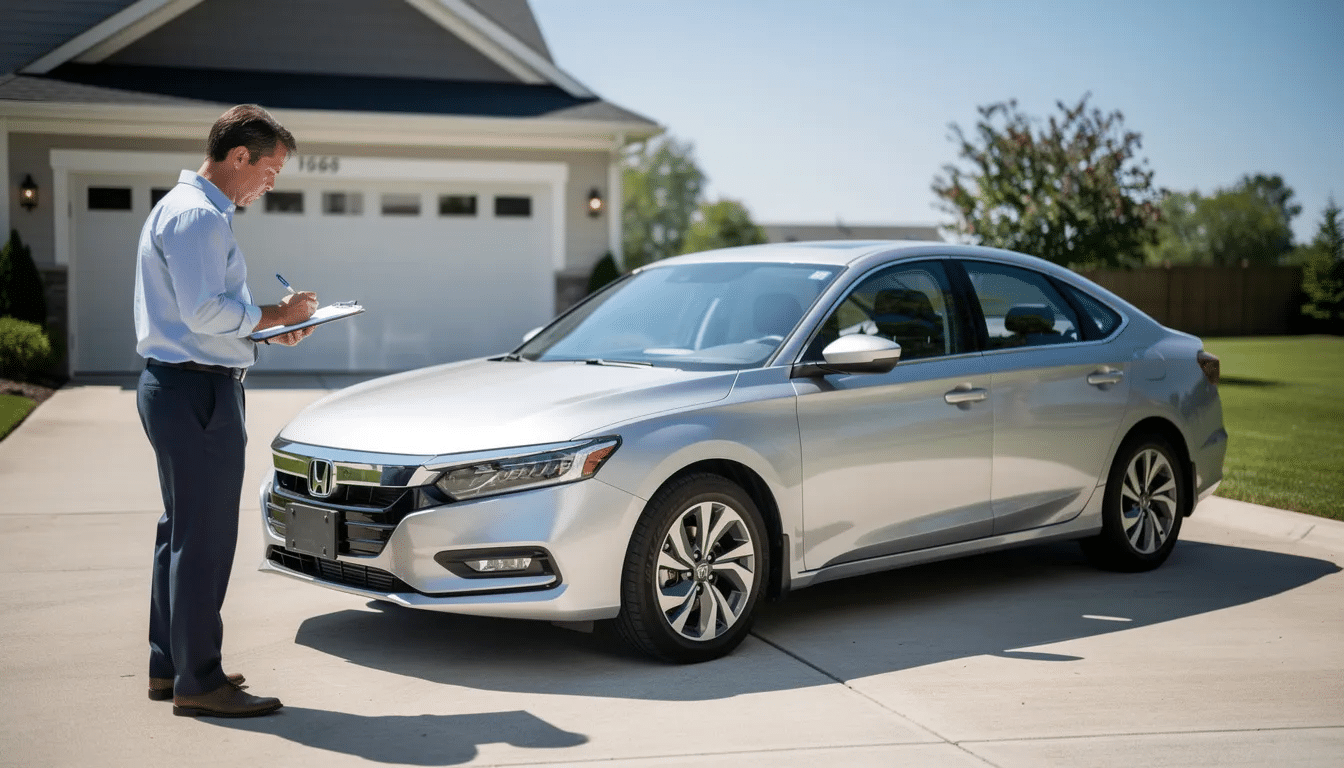
Walk around the car slowly—twice. First from about 10 feet away to catch obvious issues with body lines and color consistency. Then up close at eye level with each panel.
Paint and body checks:
- Look for mismatched paint shades between panels
- Check for orange peel texture differences indicating respray
- Examine rubber seals around doors and windows for overspray
- Run a small magnet along steel body sections (not aluminum)—if it doesn’t stick, there’s likely heavy body filler from past repairs
Panel gaps:
- Compare the spacing between the hood and fenders, doors and body
- Uneven gaps often indicate crash repair or poor alignment after collision work
- All gaps should be consistent from front to back
Rust inspection points:
- Wheel arches and fender edges
- Rocker panels below the doors
- Bottom edges of all doors
- Around the windshield frame
- Trunk lip and spare tire well
- In salt-belt states, 30% of used cars under 10 years show corrosion—be thorough
Glass inspection:
- Check the markings in corner of each window for manufacture dates
- Mismatched dates between windows suggest glass replacement from impact damage
- Look for chips or cracks in the windshield that could fail safety inspection
- When completing your purchase, review dealership fees so you know which charges are legitimate and which to question
Lights check (have a helper operate controls):
- Headlights (low and high beams)
- Turn signals front and rear
- Brake lights
- Reverse lights
- Fog lights if equipped
- Foggy headlight lenses can reduce visibility by 50%
Tire inspection:
Check | What to Look For |
|---|---|
Date code | DOT week/year stamped on sidewall—tires over 6 years old need replacement |
Matching set | All four should match in brand and size |
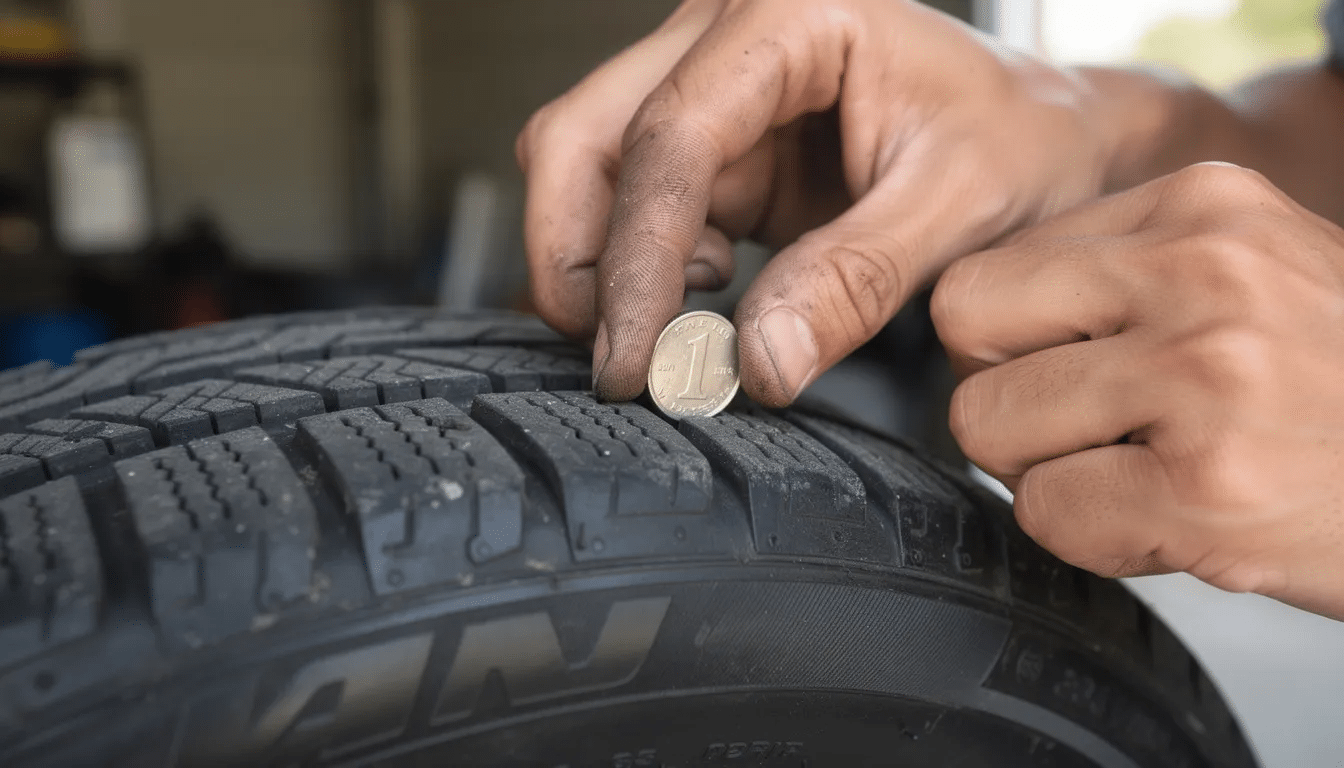
Tread depth | Minimum 2/32” legal, but 4/32”+ is safer—use a penny test |
Wear pattern | Uneven wear (inside vs. outside edges) signals alignment or suspension issues |
Sidewalls | Bubbles or bulges indicate internal damage—tire could blow |
Worn tires or new tires on just two corners can indicate the previous owner neglected regular rotation or is hiding an alignment problem.
Quick suspension test:
Push down firmly on each corner of the car. It should bounce once and settle. If it keeps oscillating or makes clunking sounds, the shocks or struts need attention.
Interior & Cabin Condition
The interior tells you how well someone actually cared for the car, not just how well they cleaned it for the sale.
The smell test:
Note the first smell when you open the door. Heavy air freshener is often masking something—mildew, cigarette smoke, or pet odors. These smells are nearly impossible to fully remove and will return within weeks.
Water damage indicators:
- Lift floor mats and feel the carpet for dampness
- Check under the rear seats
- Inspect the trunk and spare tire well for water lines or musty smell
- Damp or stained materials suggest roof leaks, sunroof issues, or prior flooding
Wear vs. mileage consistency: When comparing certified pre-owned and used cars, it’s important to consider how wear and mileage consistency can vary between the two.
On a car advertised as low miles, check these for unusual wear:
- Steering wheel—should a 30,000-mile car have a shiny, worn steering wheel?
- Pedal rubber—heavily worn pedals suggest far more use than the odometer shows
- Driver’s seat bolster—torn or collapsed foam doesn’t match low mileage
Seat and adjustment tests:
- All seat adjustments (manual slides, recline, power adjustments if equipped)
- Heated seats—both driver and passenger
- Lumbar support operation
- Rear seats fold and lock back properly
Overhead and sunroof:
- Check headliner for sagging or stains, especially around sunroof edges
- Open and close the sunroof—it should move smoothly without grinding noises
- Look for water stain rings around the sunroof seal
Electronics checklist:
- Instrument cluster—all warning lights should illuminate at ignition-on, then turn off
- Power windows operate smoothly in all positions
- Power locks and mirrors
- Infotainment/sound system and Bluetooth connectivity
- Backup camera display and clarity
- 12V outlets and USB ports
- Cruise control operation (test during drive)
Climate control:
- Turn on the air conditioner at idle—it should blow cold within 60 seconds
- The air conditioning compressor failure can cost around $1,000 to repair
- Test the heater from a cold start—it should blow warm within a few minutes
Trunk contents:
- Spare tire or repair kit present
- Jack and lug wrench
- Confirm rear seats lock securely after folding
Under the Hood: Engine Bay Car Inspection
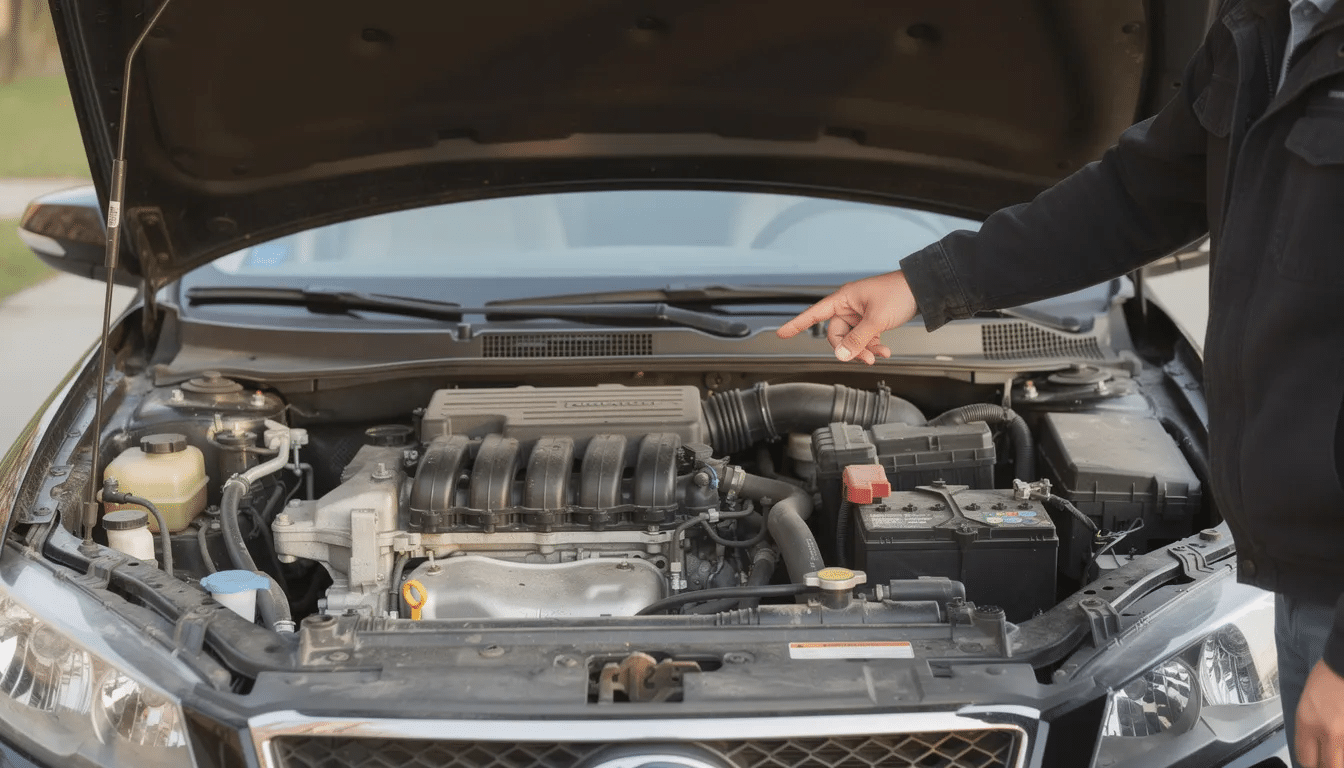
You don’t need to be a mechanic to catch obvious problems. With the engine off and cool, you can learn a lot in a few seconds of focused looking.
First impressions:
- Open the hood and look for obvious oil leaks or pooling fluids
- Heavy oil grime buildup suggests neglected maintenance
- Frayed wiring or loose electrical connections are warning signs
- Missing plastic covers or non-factory components may indicate amateur repairs
Oil check (engine cold):
Step | What to Look For |
|---|---|
Pull dipstick | Wipe clean, reinsert fully, pull again |
Check level | Should be between MIN and MAX marks |
Check color | Brown to dark brown is normal—thick tar or metallic glitter is bad |
Check consistency | Should flow freely, not be sludgy |
Metal shavings in the oil indicate internal engine wear. Walk away.
Oil filler cap inspection:
Remove the oil filler cap and look underneath. Beige “mayonnaise” sludge can signal coolant mixing with oil (possible blown head gasket) or a car driven only on short trips that never reached proper operating temperature.
Coolant check:
- Locate the coolant reservoir (usually translucent plastic with MIN/MAX marks)
- Fluid should be near the proper level and the correct color for that vehicle
- Muddy brown coolant or visible rust particles indicate neglected cooling system
- Consistently low coolant often points to leaks or worse problems
Belts and hoses:
- Visually inspect the serpentine belt for cracks, glazing, or fraying
- Squeeze larger coolant hoses gently—they should be firm but pliable, not brittle or mushy
- Bulging hoses can fail suddenly and leave you stranded
Battery inspection:
- Look for white or blue corrosion on terminals
- Check for cracked casing
- Find the date sticker—batteries older than 4-5 years are nearing end of life
- Corroded connections can cause hard starting and electrical issues
Wiring red flags:
- Look for taped wire splices or random aftermarket modules
- Non-factory wiring from amateur alarm, audio, or remote-start installations can cause electrical gremlins that are expensive to diagnose
For turbo or performance models:
- After startup, watch for blue smoke from the exhaust system
- Blue smoke after revving gently indicates worn turbo seals or valve seals
- These repairs can cost thousands
Under the Car & Structural Components
Safety first: Never crawl fully under a car supported only by a jack. For this inspection, kneel beside the vehicle on solid ground and use a flashlight to see underneath.
Fluid leaks:
- Look under the engine and transmission for wet spots or fresh drips
- Oil leaks appear dark brown or black
- Transmission fluid is typically red or reddish-brown
- Coolant may be green, orange, or pink depending on type
- A small amount of condensation from the air conditioner is normal
Undercoating suspicions:
- Fresh undercoating or paint that looks newer than surrounding areas can hide rust or recent weld repairs
- Legitimate rust-proofing is applied evenly; spot applications are suspicious
Exhaust system check:
- Surface rust on the exhaust is normal on older cars
- Heavy flaky rust, patched sections, or hanging components need attention
- Listen for exhaust leaks during the test drive (unusual noises or louder-than-normal rumble)
Drivetrain components:
- On front-wheel-drive and AWD cars, inspect CV joint boots near the front wheels
- Torn or greasy boots mean imminent axle or joint repairs—budget $300-600 per side
- Check ball joints and tie rod ends for visible damage or grease leaks
Flood damage signs underneath:
- Heavy mud or silt accumulation on top of suspension parts
- Debris packed inside frame holes or hard-to-clean corners
- Rust in places that normally stay dry
Frame damage deal-breakers:
- Bent or creased frame rails
- Kinks behind the wheels
- Misaligned suspension arms
- Fresh welds or obviously straightened metal
Any of these are reasons to walk away. Frame damage compromises safety and can never be fully corrected.
Test Drive: How to Evaluate Real-World Driving
The test drive is your chance to feel how the car actually behaves. Plan for at least 20-30 minutes covering city streets, rough pavement, and highway speeds.
Start with a cold engine:
Ask the seller not to warm up the car before you arrive. A cold start reveals engine noise issues that disappear once everything warms up—problems like ticking valves or grinding bearings.
Initial startup:
- Engine should start quickly without long cranking
- Idle should be smooth and steady, not shaking or hunting for RPM
- No unusual noises or weird noises from the engine bay
- Check for any warning lights that stay illuminated
Acceleration testing:
- Start with gentle acceleration, then try firmer throttle
- Listen for knocks, pings, or hesitation
- The car should pull smoothly without jerking
- Note any loss of power on hills
Steering evaluation:
- On a straight, level road at 30-50 mph, the car should track straight
- Minimal steering correction should be needed
- No strong pull to either side
- Power steering should feel smooth, not stiff or making noise
Braking tests:
Speed | What to Feel For |
|---|---|
30-40 mph | Smooth, progressive braking |
Any speed | No pulsing through the brake pedal |
Any speed | No steering wheel vibration |
Any speed | No pulling to either side |
Pulsing brakes often mean warped rotors. Pulling suggests stuck calipers or uneven brake pads wear.
Transmission behavior:
- Automatic transmissions should shift smoothly without clunks or slipping
- Manual transmissions should engage gears cleanly
- Clutch should bite around mid-pedal travel, not at the very top or bottom
- Transmission rebuilds cost $3,000-5,000—catch problems now
Suspension and noise check:
- Drive over small bumps, railroad tracks, and rough pavement
- Listen for clunks, thumps, or metallic rattles from the corners
- Worn ball joints and suspension components cause these sounds
Highway assessment:
- Check for excessive wind noise (may indicate poor door seals)
- Listen for humming that changes with speed—possible wheel bearing issues
- Note any vibration through the seat or steering wheel at speed
- Test cruise control operation if equipped
Temperature monitoring:
- Watch the temperature gauge throughout the drive
- Needle should reach normal operating range and stay steady
- If it creeps toward hot or fluctuates, there may be cooling system problems

Professional Pre‑Purchase Inspection (PPI)
Even with a careful DIY inspection, paying for a pre purchase inspection by an independent mechanic is the best protection you can buy.
Choosing the right shop:
- Select a shop that does not sell cars—no conflict of interest
- Ideally find one that specializes in the brand (e.g., a Honda-focused independent for an Accord)
- Ask friends, check reviews, or call local enthusiast clubs for recommendations
Cost expectations (2025 U.S. prices):
- Standard thorough inspection: $100-150
- Comprehensive inspection with diagnostics: $150-250
- EVs and luxury vehicles: May run higher due to specialized equipment
What a good PPI includes:
- Lift inspection of the entire underbody
- OBD-II scan of all onboard computers for codes
- Compression or leak-down tests when engine issues are suspected
- Brake measurements and suspension component inspection
- Fluid condition checks including transmission fluid
- Written report of all findings
The seller’s response matters:
Ask the seller to allow the car to be taken to your mechanic for the vehicle inspected properly. A reasonable seller understands this is standard practice.
Reluctance or outright refusal without a compelling reason is a serious warning sign. What are they hiding?
Using the report:
- Minor issues can justify a price reduction
- Major issues give you grounds to walk away with confidence
- The mechanic can estimate repair cost for negotiation purposes
- A clean report provides peace of mind worth far more than the inspection fee
Industry estimates suggest a professional PPI catches approximately 80% of serious problems that average buyers miss during their own inspection.
Paperwork, Price, and Negotiation
You’ve done the comprehensive inspection. Now it’s time to make the deal—or walk away. Remember: your willingness to leave is your strongest negotiating tool.
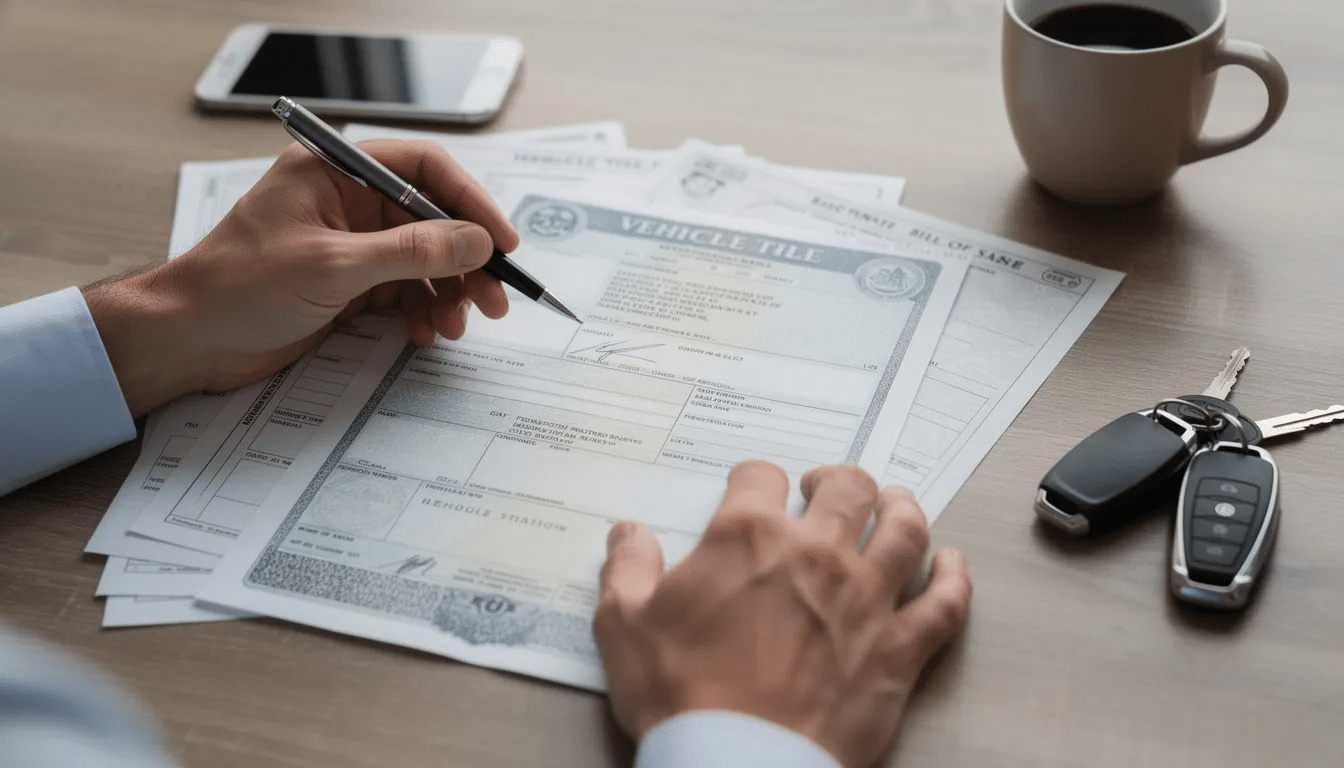
Title verification:
- Confirm the title is clean (not salvage or rebuilt without documentation)
- VIN on title must match the car exactly
- Name on title should match the seller’s ID
- Check for active liens using your state’s DMV online tools where available
Mileage consistency check:
- Compare odometer reading to the mileage listed on title
- Cross-reference with any old service invoices or maintenance records
- Oil change records from spark plugs replacement to radiator services should show logical mileage progression
Calculate your offer:
Start with the fair market value from guides, then adjust:
Factor | Adjustment |
|---|---|
Needed repairs (new tires, brake pads, etc.) | Subtract estimated cost |
Missing maintenance (timing belt due) | Subtract or request completion before sale |
Below-average condition | Subtract 5-15% |
Above-average condition with records | May justify asking price |
Negotiation tactics:
- Present findings factually, not emotionally
- If timing belt service is due, request it be completed before the sale or reduce the price accordingly
- Unusual wear items like worn tires or needed brake service are fair deductions
- Don’t feel obligated to match the seller’s emotional attachment to their price
Bill of sale requirements:
Always get a signed bill of sale including:
- Date of sale
- Full legal names and addresses of buyer and seller
- Complete VIN
- Exact sale price
- Odometer reading
- “Sold as-is” wording unless a warranty is explicitly included in writing
Final reality check:
While it’s unlikely you’ll come across a perfect used car, this doesn’t mean you should be dissatisfied with most of the models you come across. Your goal when searching for a vehicle should be to find a car that is both safe and affordable, with any defects that you are aware of. While a nearly new car with a good warranty and gleaming paintwork may appear to be the best option, it is generally wiser to consider a nearly new car with full service history. This vehicle will have had all the necessary maintenance work carried out and its full service history will be a selling point when you come to sell it.
Key Takeaways
- Start with quick deal-breaker checks before investing time in a full inspection
- Research the model’s known problems and run a vehicle history report before visiting
- Exterior checks reveal past accidents; interior condition shows how well the car was maintained
- The test drive is your best opportunity to catch mechanical issues firsthand
- A professional pre purchase inspection is worth every dollar for peace of mind
- Be prepared to negotiate based on findings—or walk away if the numbers don’t work
Conclusion
Buying a second-hand vehicle requires a careful inspection that consumes time, yet is worth the trouble. Investing just a couple of hours now could prevent you from spending thousands of dollars on car repairs that you didn’t have to make and it will also help protect the ones you love.
Print this checklist, bring a friend, and take your time. While your intuition may be off-base sometimes, most of the time it can tell you things are wrong before you can consciously notice anything is amiss. When purchasing a car, there will always be another vehicle available, but you must make the right choice the first time to avoid financial losses.
Are you looking to buy something and need to do a comparison of the items available? Once you have completed your research, tell your friend about it and have them bookmark it for future reference. Additionally, remind them to arrange an inspection before they make any purchase.
While it’s unlikely you’ll come across a perfect used car, this doesn’t mean you should be dissatisfied with most of the models you come across. Your goal when searching for a vehicle should be to find a car that is both safe and affordable, with any defects that you are aware of. While a nearly new car with a good warranty and gleaming paintwork may appear to be the best option, it is generally wiser to consider a nearly new car with full service history. This vehicle will have had all the necessary maintenance work carried out and its full service history will be a selling point when you come to sell it.