


The process of purchasing a used vehicle might be fun and thrilling, but it also has the potential risks that are hidden in the shadows, such as problems with the electrical system of the vehicle. Today, vehicles are very much electrically dependent, which means that they have a lot of different complex gadgets that are controlled via the electrical system, and these gadgets range from infotainment systems to engine management.
Consequently, the very thought of random failures and thus having to pay for expensive electrical repairs in a used car frightens buyers to death. What starts as a small electrical problem can rapidly snowball into a major repair that can cost thousands of dollars and take months of your time.
In order to be safe, a meticulous used car electrical system check must be done. Here are the bits of information that are necessary to be known before the fact.
Understanding the Used Car Electrical System
The majority of the new model cars are highly reliant on electrical power to execute various functions. Their first electrically powered system is the
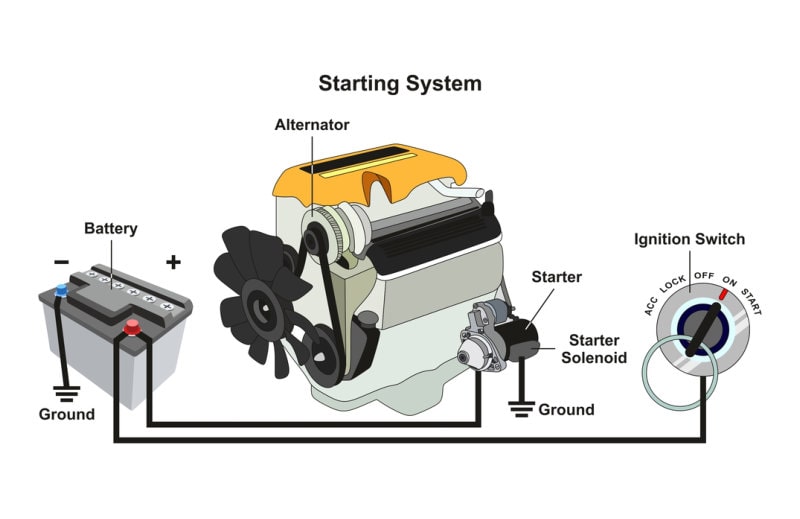
- Battery and Charging System: The main energy source for the car’s electronics and the engine’s starting.
- Lighting: Headlights, brake lights, interior lights, and indicators.
- Power Accessories: Power windows, mirrors, seats, and sunroofs.
- Infotainment: Radio, navigation, Bluetooth, and digital displays.
- Engine Management: Sensors, ignition system, fuel injection, and emission controls.
Electrical issues could result from a battery that has been heavily discharged, wiring that has been corroded by rust, sensors that have gone bad, or a control module that is malfunctioning. It is critical to understand this complicated issue because, most of the time, a small electrical malfunction, which can lead to a bigger problem, is what happens .
Signs of Electrical Problems in a Used Car
While checking out a pre-owned vehicle, keep an eye out for these kinds of electrical problems:
- Headlights and dashboard lights that flicker or appear dim.
- Power windows that are slow or do not respond well. Try the power windows in a used car to check the condition.
- The performance of infotainment or dashboard electronics is inconsistent.
- Odd odors, for instance, the smell of wiring that is burning or plastic that is melting.
- The car warning lights show up on the dashboard randomly.
Finding these symptoms early could rescue you from buying a car that might entail expensive electrical repairs in a used car.
Performing a Used Car Electrical System Check
A proper used car electrical system check should not only comprise of a visual inspection but also functional testing. The following is a step-by-step guide:
Battery and Charging Check
- Start by checking the battery to make sure there is no corrosion, leaking, or swelling.
- Use a multimeter to check the battery voltage (it should be about 12.6 volts if the car is not running).
- Measure the voltage while the engine is running to determine the alternator output; the value should be in the range of 13.7–14.7 volts.
Lighting and Signal Check
- Test all headlights, brake lights, turn signals, and interior lights for functionality and consistency.
- Change any burnt-out bulbs and make sure the fuses are in good condition.
Power Accessories Test
- Turn on the power window, mirrors, locks, and seats to confirm that they are in working condition. This step is directly related to the verification of the functionality of the power windows in a used car.
- If any area is moving slowly or you can feel that the movement is not even, then it may be a fault in the motor or the switch.
Infotainment and Electronics
- Play the radio to see if it is working, try the navigation system, and check all the connected devices.
- Check the dashboard for any error codes, which can also be displayed on the infotainment screen.
Wiring and Fuse Inspection
- Check the wires to be sure that they are not frayed, rusted, or previously repaired.
- Check the point where fuses and relays are seated for signs of wear or overheated.
Common Causes of Electrical Failures
Knowing what factors lead to electrical problems in second-hand vehicles can also help you foresee these problems:
- Age and Wear: A major source of problems for any old car is the gradual deterioration of the insulation on the wires and rust.
- Water Damage: Submerged cars may be electrically damaged in a serious way, which is hard to find through a simple check.
- Previous Repairs: Repairs made by an amateur or wrongly, which may cause the same issues to come back again.
- Aftermarket Installations: The introduction of non-factory components, such as car alarms or stereos, may overwork the electrical system and thus can be the cause of the system failing.
The Cost of Ignoring Electrical Issues
Electrical repairs in used cars have been the cause of a lot of trouble due to their unpredictable nature and high expenses. A few instances are:
- Changing power window regulators: $200–$500 per window.
- Repairing alternator or battery issues: $400–$800.
- Troubleshooting and fixing engine control module (ECM) problems: $800–$2,500.
It can save you from being caught in these high-cost repair situations if you carry out a used car electrical system check properly.
Tips to Minimize Electrical Risks
- Request a vehicle history report to definitely verify that there was no electrical or water damage.
- If you want to be certain, a pre-purchase inspection done by a mechanic you trust is definitely a good idea.
- See if the power functions are working, and this should also include windows, locks, mirrors, and infotainment.
- Find out whether the vehicle has been modified by the owner at home because this could have an impact on the safety and stability of the car.
- Besides, think of purchases of certified pre-owned (CPO) vehicles that come with a warranty for the electrical system as well.
Modern Cars and Complexity
Today’s cars are intricately designed than before. Electrically, they are very demanding to support the use of advanced features like adaptive cruise control, lane assist, and connected car apps. Even micro-faults can have an impact on different systems, thus intensifying the necessity of accurate inspection and testing. What if a fuse problem is only a small issue? In a modern vehicle, it can be the reason behind the variations in the engine’s performance and the occurrence of the safety systems malfunctioned.
Conclusion
Without checking the electrical system of a used car, buying a second-hand vehicle is a very risky act. A careful used car electrical system check will give you the freedom from extra costs and the inconvenience of being surprised. Look for the warning signs, test all the electrical operations, and if it is necessary, seek the advice of a specialist. The money you will save in the long term and your comfort of living are things that really deserve the trouble.
If you are looking for some options, Schumacherused is the place where you can find a variety of well-inspected, quality used cars with an honest report, which helps you to avoid the risk of expensive electrical faults.
FAQs
It’s the car’s electrical systems that are the ones to keep the most essential functions going, and if the problems are not visible, they can result in a costly process of repair.
Each window should be independently operated, and the window’s slow, uneven, or unresponsive movement should be visually checked.
Yes, for instance, the replacement of the engine control module or the alternator can cost a couple of thousand dollars.
Absolutely. A small flood can lead to a situation where there will be electrical problems that will appear continuously.
Yes, a mechanic can determine the issues that are concealed and difficult for untrained buyers to spot.