
How Long Should You Keep Your Car? [The Ultimate Guide]
What Is The Average Amount Of Time To Keep A Vehicle?
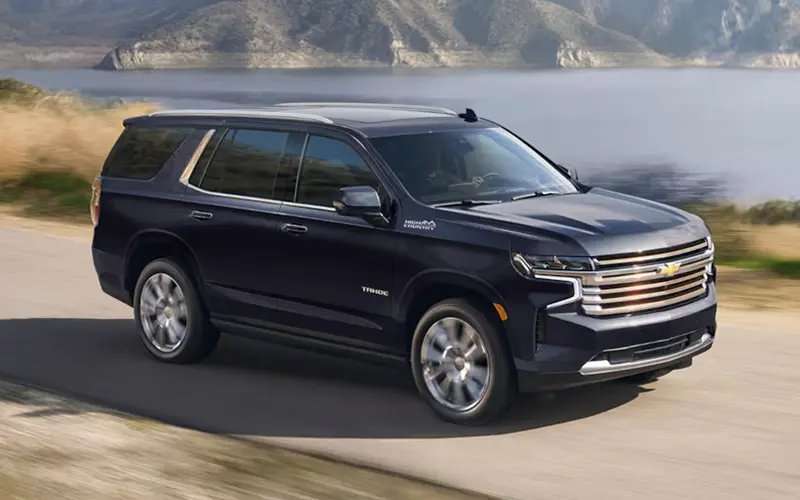
For information on averages, we’ve turned to Kelley Blue Book*, the authorities on the subject. Their extensive research has shown that the average American keeps their vehicle for 8 years. The other average that’s important to note here is mileage, which comes to 12,000 miles per year. Mileage that is well outside of that average can also impact the longevity of your vehicle, for better or worse. Although it’s important to note that there’s no situation where both factors shouldn’t be considered. The type of miles should be considered too. For most people, it will be a mix of city and highway, but city miles are a lot harder on a vehicle, so a big imbalance in highway and city miles is something else to keep in mind. Ultimately, averages are just a starting point, with so many people on either extreme end of the spectrum, it’s worth asking how many people the 8 years/12,000 miles figures actually apply to, but it’s still a helpful starting point.
Leasing VS Buying
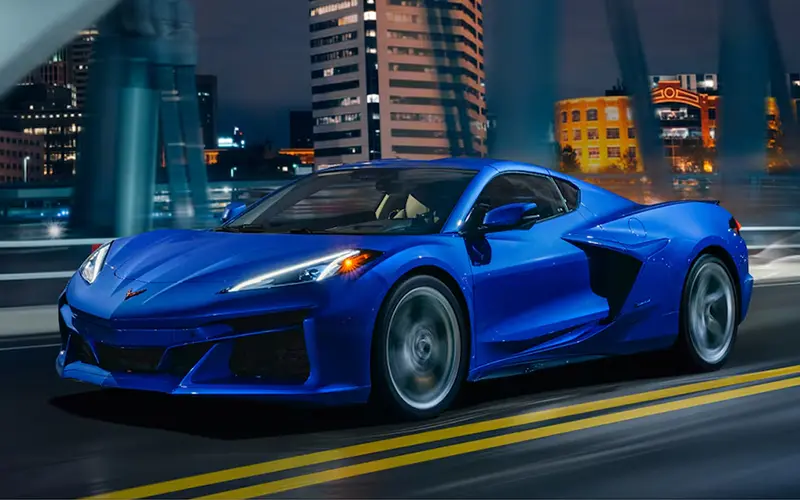
For a large percentage of people shopping for a new vehicle, this is a very relevant question. Both options have their advantages, and it really comes down to personal preference. For people who like to always have a new vehicle, whether it’s because they like having the latest technology, the latest styling, or just the secure feeling that comes with something brand new, leasing is an excellent choice. Payments are usually smaller over the same period as a financed vehicle, which is especially true for people who want to trade in their vehicle after just a couple of years. However, once you’ve paid off a vehicle you’ve bought, you won’t have any payments at all, and assuming that you plan on keeping it past the loan period, this is a huge advantage. Moreover, when you buy a vehicle, it’s yours. If you want to modify it, or exceed what would be the mileage caps that come with leases, that’s not a problem. This might not be an issue for most buyers, but it’s pretty important to those it does apply to.
Depreciation And Safety
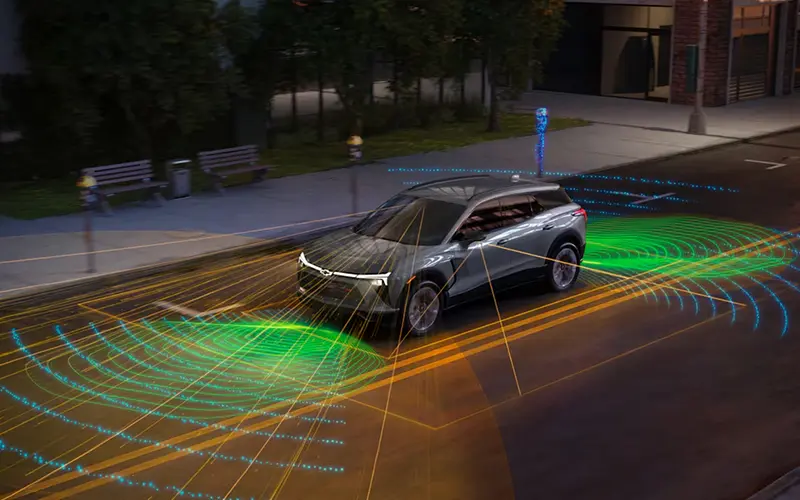
Vehicle technology can sometimes make huge leaps in just a few years, and people who trade in their vehicles every couple of years have a real advantage in this area. This is especially noticeable with things like infotainment systems, things like wireless Android Auto/Apple CarPlay are now commonplace standard features for mainstream vehicles, but were the domain of expensive luxury models just a couple of years ago. But there are less immediately obvious advances as well, such as the improvements to fuel injection technology that have improved fuel economy even on conventional gasoline engines. Advances in safety are probably even more dramatic though, with things like much more advanced headlights and semi-autonomous crash mitigation systems. New vehicles also have a safety advantage just by being new as well. Things wear out, and years of use will make your vehicle less safe no matter what.